

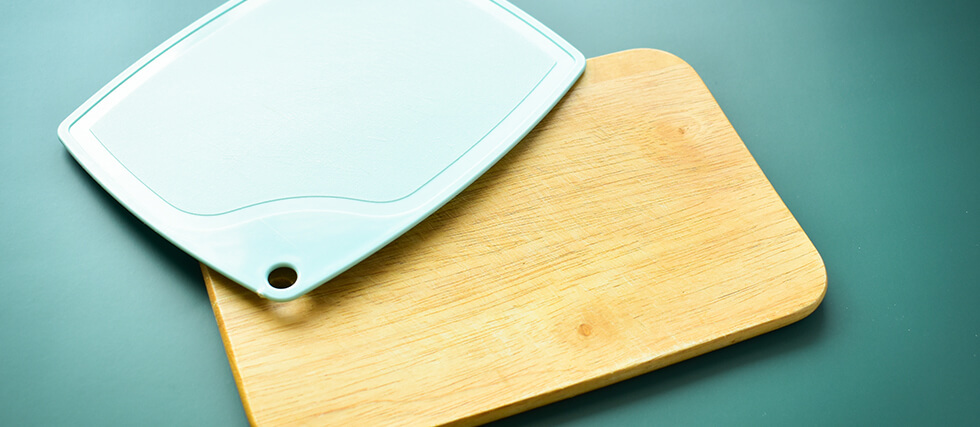
Choosing between wood and plastic cutting boards involves weighing several factors, including cleanliness, durability, and ease of maintenance. While plastic cutting boards may seem convenient since they’re dishwasher-safe, studies show they can develop deep knife grooves that harbor bacteria.
In contrast, wood cutting boards are naturally antimicrobial, providing a hygienic advantage by inhibiting bacterial growth even when knife marks appear.
Wooden boards do require specific care to maintain their structural integrity and longevity. They should never be placed in a dishwasher due to potential damage from heat, water, and detergent, which can cause warping, cracking, or splitting.
To properly clean and care for your wood cutting board, follow these steps:
- Scrape off residue: After each use, immediately remove food particles.
- Hand wash thoroughly: Use mild soap and warm water to wash the surface.
- Air-dry completely: Allow the board to dry naturally to prevent moisture damage.
- Regularly condition: Periodically apply plant-based wood wax or mineral oil to nourish and protect the wood. Avoid food-based oils like vegetable or olive oil, which can spoil.
Correctly cleaning and maintaining wood cutting boards ensures you will enjoy them for many years to come.