fb

MENU

Wood vs Plastic Cutting Board: The Winner May Surprise You

Choosing between wood and plastic cutting boards involves weighing several factors, including cleanliness, durability, and ease of maintenance. While plastic cutting boards may seem convenient since they’re dishwasher-safe, studies show they can develop deep knife grooves that harbor bacteria.

 In contrast, wood cutting boards are naturally antimicrobial, providing a hygienic advantage by inhibiting bacterial growth even when knife marks appear.

Wooden boards do require specific care to maintain their structural integrity and longevity. They should never be placed in a dishwasher due to potential damage from heat, water, and detergent, which can cause warping, cracking, or splitting.

To properly clean and care for your wood cutting board, follow these steps:

  1. Scrape off residue: After each use, immediately remove food particles.
  2. Hand wash thoroughly: Use mild soap and warm water to wash the surface.
  3. Air-dry completely: Allow the board to dry naturally to prevent moisture damage.
  4. Regularly condition: Periodically apply plant-based wood wax or mineral oil to nourish and protect the wood. Avoid food-based oils like vegetable or olive oil, which can spoil.

Correctly cleaning and maintaining wood cutting boards ensures you will enjoy them for many years to come.

Why Everyone Should “Low-Key” Prep and What to Pack

Prepping isn’t just for hardcore survivalists anymore – it’s a smart move for everyone. You don’t have to go full doomsday mode, but having a basic level of preparedness ensures you’re not caught off guard when unexpected events happen. Power outages, natural disasters, or even minor emergencies can disrupt daily life, and a little low-key prepping can make all the difference.

The Importance of Low-Key Prepping

Being prepared doesn’t mean stockpiling a bunker full of supplies. It simply means having a plan and a few essentials ready to go. Think of it like carrying an umbrella – you hope you won’t need it, but you’ll be glad to have it when it rains. A small amount of preparation provides peace of mind, reduces panic in a crisis, and ensures you can handle disruptions with ease.

What to Pack in a Low-Key Bug-Out Bag

Your bug-out bag should be lightweight, practical, and easy to grab if needed. Here are some must-have essentials:

  • Water & Filtration: Three days’ worth of water or a portable filtration device like a LifeStraw.
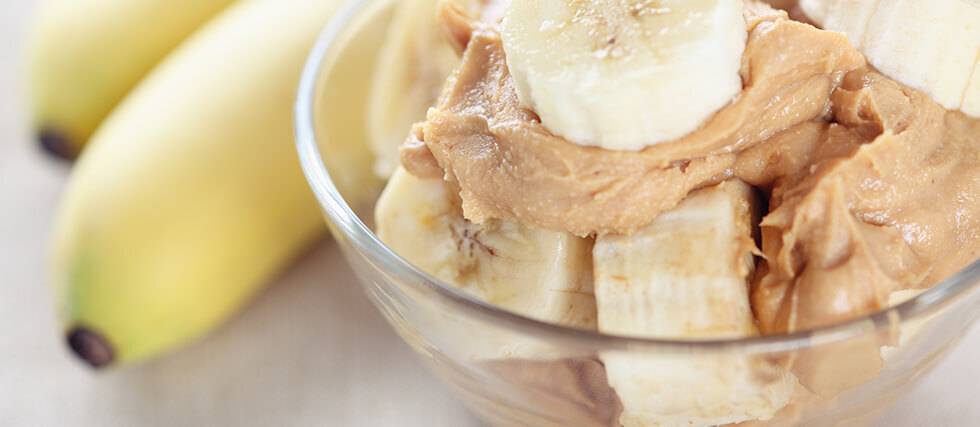
  • Food: Simple, non-perishable snacks like protein bars, dehydrated meals, or peanut butter.
  • First Aid Kit: Bandages, antiseptic, pain relievers, and any necessary prescription medications.
  • Shelter & Warmth: A compact sleeping bag, space blanket, or a small tent.
  • Clothing & Protection: A change of clothes, sturdy shoes, gloves, and a rain poncho.
  • Fire & Light: Waterproof matches, a lighter, and a flashlight with extra batteries.
  • Tools & Navigation: A multipurpose knife, duct tape, whistle, and a physical map.
  • Communication & Information: A hand-crank radio, phone charger, and emergency contacts written on paper.
  • Personal Needs: Hygiene items, wet wipes, toilet paper, and a small comfort item like candy or playing cards.

Low-key prepping isn’t about paranoia – it’s about practicality. Having a few essential supplies ready means you won’t have to scramble in an emergency. A little preparation now can make a big difference when it really matters.

The Surprising Gardening Hack: Singing to Your Plants May Help Them Grow

Ever wondered if your plants enjoy a good conversation? It turns out that talking or even singing to your plants may boost their growth. While it sounds bizarre, science suggests there’s more to this idea than just folklore.

How Sound Affects Plant Growth

Plants don’t have ears, but they respond to vibrations in their environment. Studies show that certain sound frequencies – around 70 decibels, similar to a normal conversation—can trigger genes that promote growth. In one experiment by the National Institute of Agricultural Biotechnology in South Korea, plants exposed to these frequencies grew more efficiently.

What Sounds Work Best?

Not all sounds have the same effect. Gentle melodies or classical music have been linked to improved growth, while harsh, loud noises can cause stress. Soft vibrations help stimulate nutrient movement within plant cells, whereas aggressive sounds may disrupt their natural processes.

The Real Benefit: More Attention to Your Plants

Even if plants don’t “hear” in the way humans do, speaking to them encourages better care. Gardeners who talk or sing to their plants tend to monitor them more closely, noticing drooping leaves or pests sooner.

Try It Yourself

  • Talk to your plants while watering.
  • Play soft music near them.
  • Sing to them – off-key or not, they won’t mind!
  • Observe changes and track their growth.

Whether it’s the sound waves or simply better care, a garden filled with conversation and music is more likely to thrive than one left in silence.

California Vegetable Recall Alert: Botulism Risk Poses Serious Health Threat – Check Your Kitchen Now

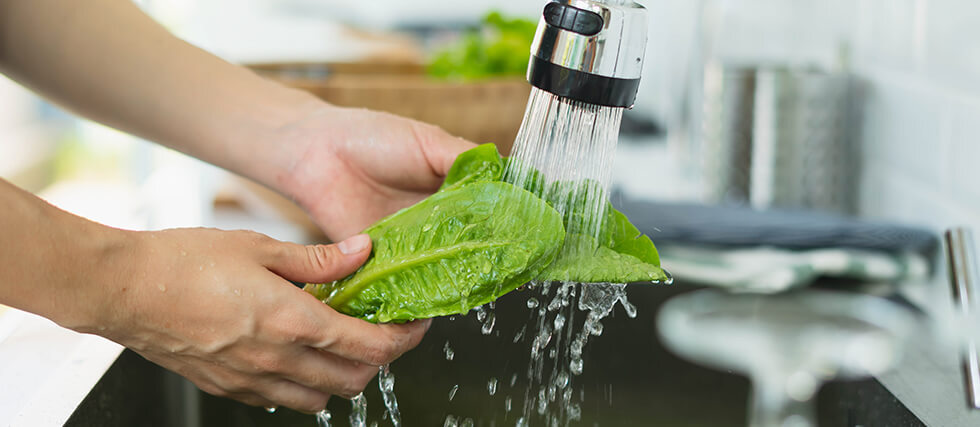
The FDA has issued a major recall for prepared vegetable products sold in California due to the risk of Clostridium botulinum, a bacterium that produces the potentially deadly botulinum toxin. Consuming affected products could lead to botulism, a rare but life-threatening illness that requires immediate medical attention.

What Is Botulism?

Botulism occurs when the toxin attacks the nervous system, leading to muscle paralysis, breathing difficulties, and even death. Symptoms may appear within hours or days after ingestion and include:

  • Difficulty swallowing
  • Muscle weakness
  • Blurred or double vision
  • Drooping eyelids
  • Slurred speech
  • Shortness of breath
  • Paralysis

Foodborne botulism can also cause:

  • Vomiting
  • Nausea
  • Stomach pain
  • Diarrhea

In infants, symptoms include:

  • Constipation
  • Weak cries
  • Poor feeding
  • Lack of facial expression

Recalled Products

The recall, issued by AKT Trading Inc., involves the following products, which lacked proper refrigeration labeling, increasing the risk of bacterial growth:

Brand: Japanese Pickles (1 lb. plastic bags)

  • SHIBA ZUKE PREPARED MIX VEGETABLES – UPC: 4582207535128, Exp: 8/27/2025
  • AOKAPPA ZUKE PREPARED MIX VEGETABLES – UPC: 4582207535135, Exp: 5/14/2025
  • FUKUSHIN ZUKE PREPARED MIX VEGETABLES – UPC: 4582207535142, Exp: 7/9/2025, 5/31/2025
  • SOFT TSUBOZUKE PREPARED MIX VEGETABLES – UPC: 4582207535159, Exp: 7/29/2025
  • RAKKYO ZUKE PREPARED VEGETABLES – UPC: 4983673526021, Exp: 8/1/2025, 7/1/2025

Brand: CHOSHIYA

  • ABURA-ITAME ZHASAI PREPARED SICHUAN VEGETABLE – UPC: 4983673527325, Exp: 4/3/2025, 2/25/2025

These products were distributed at Tokyo Central / Marukai stores in California.

What Should You Do?

Do not eat these vegetables. Dispose of them immediately or return them to the store for a refund. If you experience any symptoms of botulism, seek urgent medical care.

Timeless Truth: 1,500-Year-Old Mosaic Proves the Enduring Legacy of the Bible

The Bible has withstood the test of time, surviving centuries of challenges while remaining the most historically attested ancient document. This truth is reaffirmed by the recent discovery of a stunning 1,500-year-old mosaic in Israel, featuring a powerful biblical inscription.

Unearthed near Kiryat Gat, this Byzantine-era masterpiece is one of Israel’s most unique mosaics ever. 

At its center, an ancient Greek inscription from Deuteronomy 28:6 reads: “Blessed are you when you come in and blessed are you when you go out.” 

This passage, preserved through time, echoes the durability of Scripture, which has more surviving manuscripts than any other ancient text—over 25,000 copies in various languages, far surpassing works like Homer’s Iliad or Plato’s writings.

The mosaic, part of a once-thriving monastery and settlement, reveals the deep historical roots of biblical faith. Alongside it, archaeologists uncovered a sophisticated winepress, pottery production sites, and Greek letter markings, showing the advanced craftsmanship of the time. 

This discovery adds to the overwhelming archaeological evidence confirming the Bible’s historical accuracy, particularly in regions mentioned throughout Scripture.

Despite centuries of opposition, destruction, and cultural change, the Word of God continues to endure. This ancient mosaic is more than a relic – it is undeniable proof of the enduring truth of Scripture. 

Preserved across millennia, it is a powerful testament to the Bible’s unwavering presence, reinforcing its historical accuracy and divine authority. The Word of God remains unshaken, its message transcending time and continuing to affirm the faith of believers throughout generations.

How One Backyard Garden Transformed a Community – No Farming Experience Required

Growing food in your backyard doesn’t have to be complicated. Monika Ozwarski, founder of Sweet Tooth Farm in Des Moines, proves that even small spaces and simple methods can make a huge difference. What started as a community garden in a vacant lot has grown into an urban farm that provides thousands of pounds of fresh produce to her neighborhood. Her journey demonstrates that anyone can start growing food with minimal resources and a desire to share.

Ozwarski didn’t begin as a professional farmer – she was a restaurant worker and later a social worker before she decided to transform a small pocket park into a garden. She started with raised beds and invited local children to help her water the plants. 

When she noticed that many relied on convenience store snacks as meals, she realized the importance of locally growing food. Her response was simple: plant more food and share it with those in need. Today, her farm sells produce and donates large amounts through a community fridge and pantry, making fresh food accessible in a neighborhood with limited grocery options.

Her approach to composting also highlights how sustainability doesn’t have to be complicated. Noticing a lack of municipal composting services, Ozwarski launched a community compost program allowing people to drop off food scraps or opt for doorstep pickup. She emphasizes composting can be as easy as putting kitchen scraps in a bin and letting the system handle the rest. Her program now turns waste into nutrient-rich soil, supporting local gardens while reducing landfill waste.

Ozwarski’s story shows that growing food is not about having perfect conditions or technical expertise. It’s about starting small, using what you have, and embracing the natural process. Sustainable food practices can be simple and impactful, whether it’s a backyard garden, a few raised beds, or simply composting. Her work reminds us that anyone can contribute to a healthier community – one plant, one meal, and one small step at a time.

New Research: Fish Oil Could Combat Insulin Resistance

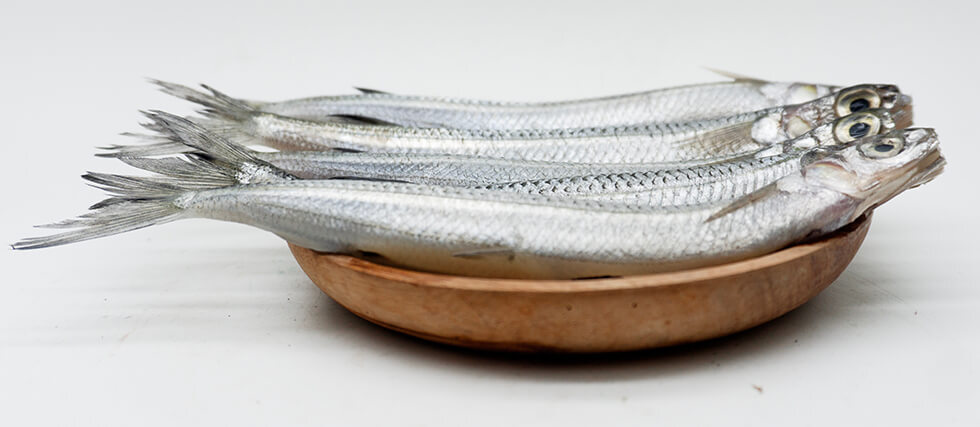
A Brazilian study published in Nutrients suggests that fish oil may help combat insulin resistance and improve glucose tolerance by reducing inflammation. The research conducted on non-obese rats with type 2 diabetes-like symptoms found that omega-3 supplementation shifted defense cells from a pro-inflammatory to an anti-inflammatory state, improving insulin sensitivity.

The study, funded by FAPESP, involved administering 2 grams of fish oil per kilogram of body weight three times per week for eight weeks. This fish oil contained 540 mg/g of eicosapentaenoic acid (EPA) and 100 mg/g of docosahexaenoic acid (DHA). The results showed reduced insulin resistance, improved blood sugar levels, lower inflammatory markers, total cholesterol, LDL, and triglycerides.

Researchers highlighted that omega-3s may influence immune cells such as lymphocytes and macrophages, reducing the production of pro-inflammatory cytokines. This shift in immune response appears similar to the effects seen in obese individuals taking omega-3 supplements. While promising, human trials are needed to determine optimal dosing and efficacy.

How to Choose the Best Omega-3

When selecting an omega-3 supplement, consider these factors:

  • EPA & DHA Content: Choose fish oil with high EPA and DHA concentrations.
  • Purity & Quality: Look for third-party testing for contaminants like mercury.
  • Source: Opt for wild-caught fish sources over farmed fish.
  • Form: Triglyceride-based omega-3s are more absorbable than ethyl esters.
  • Sustainability: Choose brands certified by organizations like the MSC (Marine Stewardship Council).

Zero-Waste Stores: A Smarter, Sustainable Way to Shop

Zero-waste stores are changing the way we shop, offering a simple yet powerful solution to reduce waste, save money, and support local businesses. Instead of buying products in single-use plastic containers, these stores allow customers to bring reusable containers and refill them with everything from cleaning supplies to kitchen staples and skincare products. This eliminates unnecessary packaging and helps cut down on plastic pollution – one of the most pressing environmental issues of our time.

Despite what big corporations would have you believe, recycling alone isn’t enough to solve the plastic crisis. According to a Department of Energy study, only 5-6% of plastic waste gets recycled, while the rest ends up in landfills, oceans, or even in our bodies as microplastics. Refill stores promote a circular economy, reducing the need for disposable packaging and encouraging conscious consumption.

Beyond environmental benefits, these stores also help consumers save money. Many refill products cost less than their pre-packaged counterparts since customers aren’t paying for branding and disposable containers. Shopping at refill stores also strengthens the local economy, keeping money in the community.

According to available directories, such as the United States Refill Store Directory, zero-waste stores can be found in numerous states. These stores are gaining popularity nationwide, making it easier to shop sustainably. 

While switching to a zero-waste lifestyle might seem intimidating, it’s easier than you think. Start small, refill when you can, and take a step toward a more sustainable future – one bottle at a time.

A Lost Biblical Seed Sprouts After 1,000 Years

A remarkable discovery has brought an ancient biblical mystery back to life. A 1,000-year-old seed, believed to be the source of a legendary balm resin mentioned in the Bible, has shown signs of growth.

The seed, known as the ‘Sheba’ seed, was unearthed in the late 1980s from a cave in Wadi el-Makkuk, near ancient Jericho. Weighing just 0.565g and measuring 1.8cm in length, it was found by archaeologists from the Hebrew University of Jerusalem. Identified as part of the Commiphora species – related to Frankincense and Myrrh – this plant was long thought to be extinct.

Carbon dating places its origin between 993 AD and 1202 AD. In 2010, Dr. Sarah Sallon of the Middle East Medicinal Plant Project planted the seed, which has now begun to sprout. She believes it may be the source of the mysterious ‘Tsori,’ a revered perfumed resin described in the Old Testament.

The resin, mentioned in Genesis 37:25 as ‘balm,’ was historically valued for embalming, incense, and medicinal purposes. As research continues, the revival of this ancient plant may unlock new insights into biblical history and the medicinal knowledge of ancient civilizations.

Herbal Tea Ingredient Transforms into a Medical Innovation

A common ingredient in herbal tea has been transformed into a powerful biomedical hydrogel, thanks to groundbreaking research from the University of Chicago. The malva nut, traditionally used in Chinese medicine as a sore throat remedy, has now been repurposed for advanced medical applications from wound care to ECG monitoring.

Read more