fb

MENU

Why You Should Hang Eucalyptus in Your Shower

If you’re looking to elevate your shower routine with something simple, natural, and spa-worthy, fresh eucalyptus might be just the upgrade you need. While it’s a beautiful, aromatic addition to your space, eucalyptus offers more than just visual appeal—its natural compounds can soothe your body and mind. Here’s why aromatherapists recommend hanging it in your shower.

1. It Eases Stress and Promotes Relaxation
Eucalyptus is well-known in aromatherapy for its sharp, minty scent that promotes a sense of calm. When exposed to steam, the essential oils in eucalyptus leaves are released into the air. This creates a refreshing atmosphere that may help reduce feelings of anxiety and encourage mental clarity. Experts suggest that the compound eucalyptol plays a role in calming the nervous system, making it an excellent addition to your self-care routine.

2. It Can Help With Congestion and Allergies
Breathing in eucalyptus-scented steam may help open your sinuses and ease congestion caused by colds or allergies. Holistic practitioners often use eucalyptus for its natural decongestant properties. The aromatic vapors can soothe nasal passages and quiet a mild cough, providing natural respiratory relief during your shower.

3. It Has Natural Anti-Inflammatory Benefits
The compounds 1,8-cineole and alpha-pinene found in eucalyptus have been studied for their anti-inflammatory effects. For those dealing with sore muscles or stiffness, the scent may help support the relaxation of tension and provide gentle comfort after a long day or intense workout.

How to Use It:
To activate the aroma, gently roll the eucalyptus leaves with a rolling pin before hanging. Tie the bundle with twine and hang it over your shower head. It will stay fresh for 2–3 weeks—just replace it once it starts to brown or lose its scent.

This Often Overlooked Issue May Be Why Your Blood Pressure Is Skyrocketing 

If you’ve been struggling with high blood pressure and can’t figure out why, you may be overlooking a simple yet powerful factor – hydration. While diet, stress, and lack of exercise often get the blame, not drinking enough water could be the hidden culprit behind your skyrocketing blood pressure.

Read more

Stop Clogging Up Your Disposal: Things You Should Never Put Down There

 Think before throwing it down the sink.

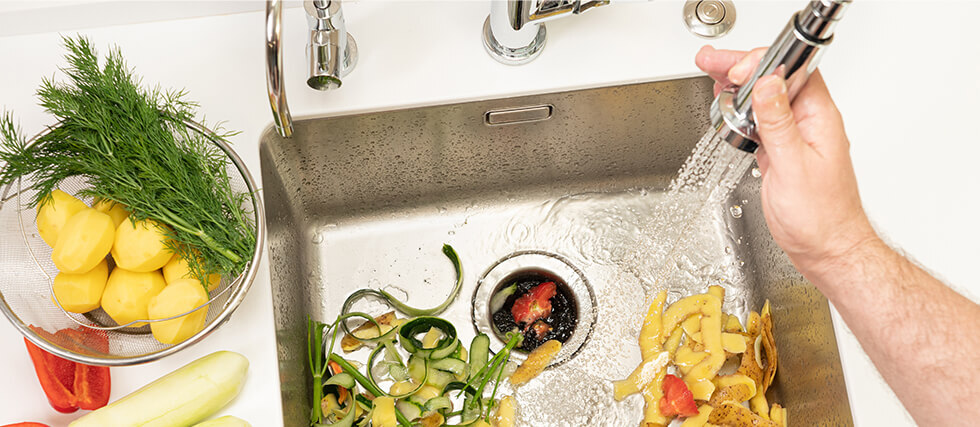
Your garbage disposal might be one of the hardest working appliances in your kitchen, but it’s not invincible. Despite the word “garbage” in its name, it’s not built to handle just anything you toss its way. Use it carelessly, and you might find yourself dialing a plumber sooner than you’d like.

“Garbage disposals are convenient for cleaning up food waste,” says Palla, “but there are definitely things that can clog or damage the system.” In fact, many plumbers use their disposals sparingly. “Basically just the scraps that stick to the plates,” notes Wilson.

Here are 7 things experts agree should never go down your disposal:

  1. Grease and Oil – Once cooled, these fats harden and stick to your pipes, forming stubborn clogs.
  2. Bones – Your disposal isn’t built for hard materials. Even small bones can wear down the blades or jam the system.
  3. Vegetable Peelings – Especially from potatoes, these starchy scraps clump together and form a paste that blocks your pipes.
  4. Fibrous Vegetables – Think celery or onion skins. Their stringy texture wraps around blades, stopping them cold.
  5. Fruit Pits and Seeds – If your knife can’t cut it, your disposal can’t either. Pits can break the blades or motor.
  6. Shellfish Shells – Hard and jagged, shrimp and crab shells can grind your disposal to a halt.
  7. Non-Food Items – Cat litter, plastic, or paint? Just no. Disposals are for food waste only—never trash.

Your disposal isn’t a magic garbage chute. Treat it right, and it’ll last a whole lot longer.

What’s Wrong with Instant Noodle Cups — and How to Make a Healthier Version

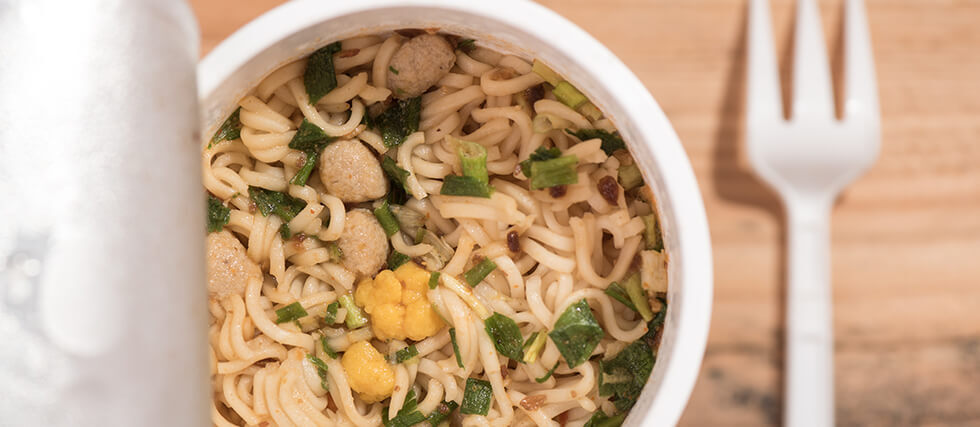
Instant noodle cups are a quick fix for hunger, but they come with a side of health concerns that are worth paying attention to. From questionable packaging to poor nutrition, here’s what’s wrong — and how you can fix it.

The Problem: Most instant noodle cups are high in sodium and low in nutrients. A single serving can contain up to 1,700 mg of sodium, nearly an entire day’s recommended limit. This can increase your risk of high blood pressure, heart disease, and stroke. On top of that, the flavor packets are often packed with MSG and artificial ingredients, offering little nutritional value.

Worse still, many noodle cups are packaged in polystyrene (Styrofoam), which can leach styrene — a possible human carcinogen — into your food when heated. Some studies also found instant noodles can contain harmful processing byproducts like 3-MCPD and glycidol, which are linked to cancer. There’s even a physical danger: hospitals have reported serious burn injuries from spilled hot noodle cups, especially among children.

The Solution: Fortunately, you can still enjoy noodles by making a few smart swaps.

1. Skip the Flavor Packet – Toss it and season your broth with low-sodium soy sauce, miso, ginger, garlic, lime juice, or chili flakes for natural, flavorful depth.

2. Add Protein – Boost nutrition with a soft-boiled egg, tofu, shredded chicken, or edamame. Protein helps balance blood sugar and keeps you full longer.

3. Pack in Veggies – Throw in spinach, mushrooms, carrots, or frozen mixed veggies. These add fiber, vitamins, and texture to your meal.

4. Upgrade the Noodles – Try whole grain, brown rice, or lentil noodles. Even spiralized zucchini or soba noodles are excellent alternatives with more fiber and less processed carbs.

5. Use Safe Containers – Avoid microwaving noodles in Styrofoam. Transfer to a glass or ceramic bowl, or prepare them on the stovetop for better safety and taste.

With these changes, you can enjoy the comfort of instant noodles—minus the health risks.

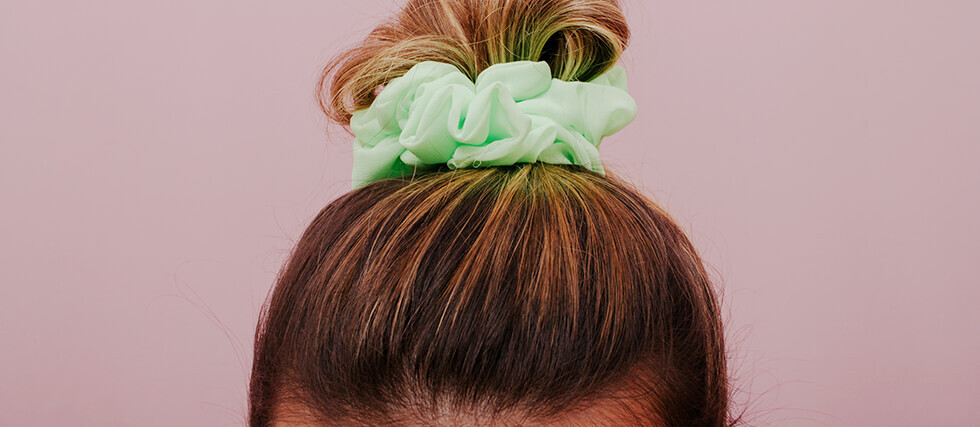
Why You Really Need to Wash Your Scrunchies — And How to Do It Right

Here’s a question: When’s the last time you actually washed your scrunchies or hair ties? If you’re drawing a blank, you’re not alone—but it might be time for a fresh start. These everyday essentials collect sweat, oil, hair product residue, and even bacteria, especially in the warmer months when we’re all a bit sweatier. Just like your pillowcases or workout gear, hair accessories need regular cleaning too.

In summer, scrunchies can become mini breeding grounds for buildup. Think about it: you toss them in your gym bag, wear them post-workout, or even sleep in them. That extra moisture and grime can transfer right back to your hair and scalp, potentially causing irritation or even breakouts. And if you’re using silky ties to avoid hair damage, keeping them clean is even more important to preserve their benefits.

The good news? Cleaning your hair ties is super easy.

For cloth scrunchies and elastics: Fill your sink with warm water and add a few drops of mild detergent, Castile soap, or even dish soap. Let them soak for 10–30 minutes, then rinse, press out excess water with a towel, and hang to dry.

For silk scrunchies: Use cold water and a gentle soap. Spot-clean stains first, then soak and swish in soapy water for 15–30 minutes. Rinse in cold water and press gently—never wring—to keep the fabric smooth. Air dry on a towel or rack.

Anything that regularly touches your hair (and sweat) needs to be cleaned. Build this into your weekly routine, and your scrunchies—and your scalp—will thank you.

Kennedy Slams Fluoride as Neurotoxin, Praises Utah’s Bold Ban

U.S. Health Secretary Robert F. Kennedy Jr. is leading a national shift in public health policy by calling on the CDC to stop recommending fluoride in community drinking water. During a press conference in Salt Lake City, Kennedy praised Utah for becoming the first state to ban fluoridation statewide, calling it a “leader in making America healthy again.”

Kennedy, a longtime advocate for environmental health and personal choice, is assembling a federal task force to reexamine the science surrounding fluoride. His stance is gaining traction as the EPA also announced a new review of emerging evidence regarding potential health risks of fluoride exposure.

While fluoride has historically been promoted for preventing tooth decay, Kennedy argues that modern science paints a far more concerning picture. He has referred to fluoride as a “dangerous neurotoxin,” linking it to thyroid issues, arthritis, bone fractures, and potential cognitive harm. A 2023 federal report highlighted an association between high fluoride levels and reduced IQ in children—raising serious questions about its continued use.

Though critics, including the Utah Oral Health Coalition, claim Kennedy’s move is politically motivated, the facts remain: Americans are increasingly questioning the need to medicate public water supplies with a substance that may do more harm than good. The implications are massive with over 60% of the U.S. population drinking fluoridated water.

Kennedy cannot mandate fluoride bans, but he can influence national policy through CDC guidance and cooperation with the EPA. And with the CDC’s Oral Health Division recently disbanded amid federal cutbacks, the future of pro-fluoride advocacy is uncertain.

RFK Jr. is taking a stand for health freedom and science-based oversight. As more states reconsider fluoridation, his leadership may mark a turning point in how we view this once-celebrated public health measure.

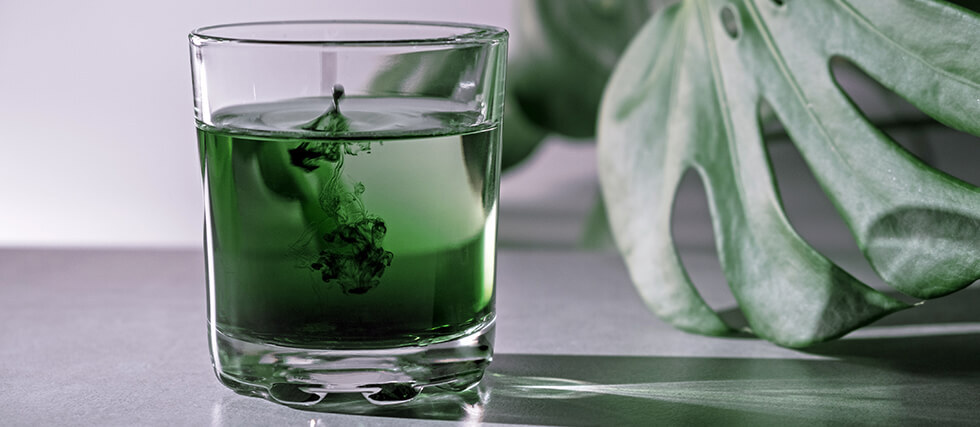
Should You Be Drinking Chlorophyll? The Pros, Cons, and Science Behind the Trend

Drinking chlorophyll water has become a viral health trend, promising clearer skin, better digestion, and more energy. But is this green elixir truly a miracle drink, or just another wellness fad?

What is Chlorophyll?

Chlorophyll is the green pigment found in plants that helps them convert sunlight into energy. Naturally present in foods like spinach, broccoli, and parsley, it’s also available as a supplement in liquid or pill form, often as chlorophyllin, a more stable, water-soluble version of chlorophyll.

Potential Benefits of Chlorophyll

Some studies suggest chlorophyll may:

  • Support detoxification by blocking harmful compounds like nitrosamines from processed foods.
  • Act as an antioxidant, reducing oxidative stress and protecting cells.
  • Improve acne—a 2014 study found topical chlorophyllin reduced acne and oil production.
  • Aid digestion by promoting gut health and potentially relieving constipation.

However, many claims—such as weight loss, body detoxification, and anti-cancer effects—lack strong scientific backing, especially in human studies. Much of the buzz is anecdotal.

The Downsides and Risks

While generally safe, chlorophyll supplements can cause side effects, including:

  • Digestive issues (nausea, diarrhea).
  • Increased light sensitivity.
  • Copper toxicity in high doses.

The Best Way to Get Chlorophyll

For a safer, natural approach, eat dark leafy greens, algae like spirulina, and other chlorophyll-rich foods. Whole foods provide additional nutrients, fiber, and antioxidants—without the risks of synthetic supplements.