
fb

MENU

Never Do This Right After a Meal – It Slows Digestion

We’ve all been there—you finish a big meal and want nothing more than to crash on the couch, sip a hot cup of tea, or dive into a workout to “burn it off.” But what you do immediately after eating can seriously affect your digestion and sometimes worsen things.

1. Don’t Lie Down
Tempting as it is to nap post-meal, lying down right after eating can lead to acid reflux or heartburn. Gravity helps keep food moving in the right direction. Lying flat? Not so much. Experts recommend waiting at least 2–3 hours before sleeping or reclining.

2. Skip the Workout (For Now)
Exercise is great—but not right after a heavy meal. Intense activity diverts blood flow away from your digestive organs, slowing things down and potentially causing cramping, nausea, or indigestion. Light walking is fine, but save your HIIT session for later.

3. No Hot Showers Yet
Jumping into a hot shower might feel relaxing, but warm water pulls blood toward your skin and away from your gut. This can make digestion sluggish. Give your body at least 30–60 minutes to get things moving before hopping in.

4. Rethink That Tea or Coffee
Drinking tea or coffee right after eating can interfere with iron absorption, especially if your meal included iron-rich foods. Wait at least an hour before sipping your favorite brew.

5. Avoid Excess Water and Fruit
Drinking too much water immediately after eating may dilute digestive juices. Fruit digests quickly, and eating it after a meal can cause fermentation, gas, and bloating.

In short, good digestion depends on what you eat and what you do after you eat. Give your body the right conditions to do its job, and you’ll feel the difference.

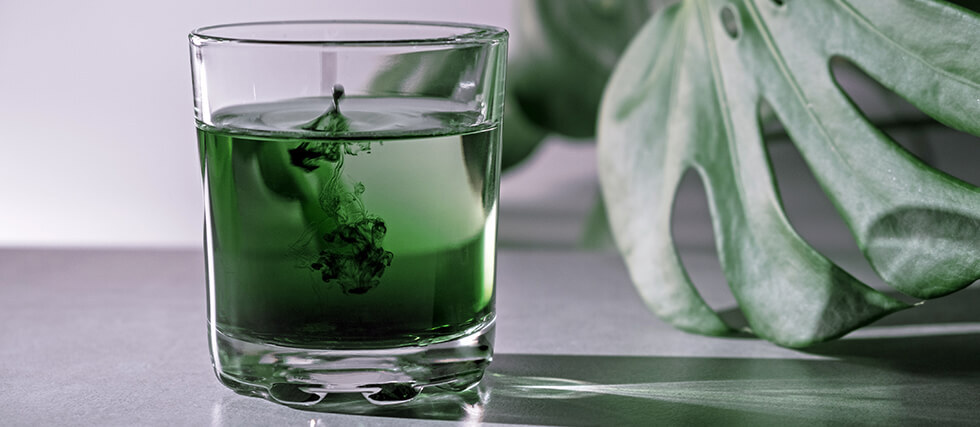
Should You Be Drinking Chlorophyll? The Pros, Cons, and Science Behind the Trend

Drinking chlorophyll water has become a viral health trend, promising clearer skin, better digestion, and more energy. But is this green elixir truly a miracle drink, or just another wellness fad?

What is Chlorophyll?

Chlorophyll is the green pigment found in plants that helps them convert sunlight into energy. Naturally present in foods like spinach, broccoli, and parsley, it’s also available as a supplement in liquid or pill form, often as chlorophyllin, a more stable, water-soluble version of chlorophyll.

Potential Benefits of Chlorophyll

Some studies suggest chlorophyll may:

  • Support detoxification by blocking harmful compounds like nitrosamines from processed foods.
  • Act as an antioxidant, reducing oxidative stress and protecting cells.
  • Improve acne—a 2014 study found topical chlorophyllin reduced acne and oil production.
  • Aid digestion by promoting gut health and potentially relieving constipation.

However, many claims—such as weight loss, body detoxification, and anti-cancer effects—lack strong scientific backing, especially in human studies. Much of the buzz is anecdotal.

The Downsides and Risks

While generally safe, chlorophyll supplements can cause side effects, including:

  • Digestive issues (nausea, diarrhea).
  • Increased light sensitivity.
  • Copper toxicity in high doses.

The Best Way to Get Chlorophyll

For a safer, natural approach, eat dark leafy greens, algae like spirulina, and other chlorophyll-rich foods. Whole foods provide additional nutrients, fiber, and antioxidants—without the risks of synthetic supplements.

Nature’s Fertilizer: Why Whale Pee is Essential for a Healthy Ocean

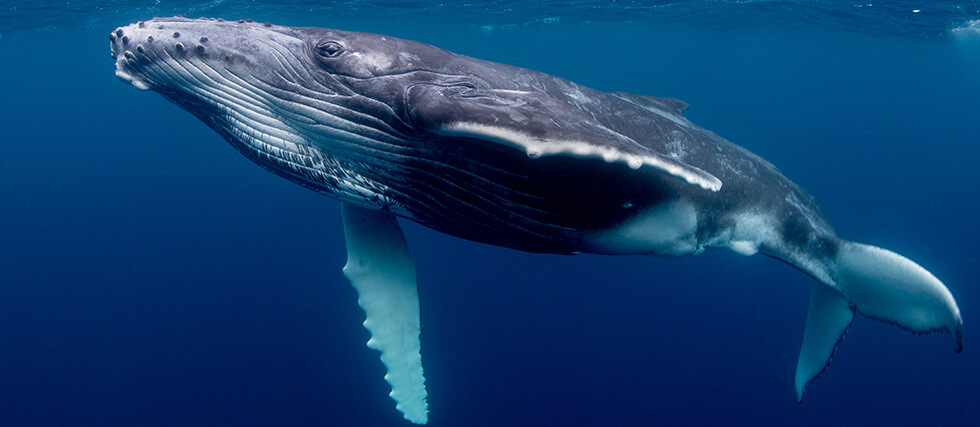
Whales are more than just majestic creatures—they are essential to maintaining the health of our oceans. A recent study in Nature Communications confirms that whales act as “nutrient transporters,” moving vital elements like nitrogen across vast distances. Their urine, placentas, and sloughing skin create a powerful ocean tonic that fuels marine ecosystems.

As whales migrate between polar feeding grounds and tropical breeding areas, they distribute over 4,000 tonnes of nitrogen annually—more than natural ocean currents provide. This nutrient infusion supports phytoplankton growth, the foundation of the marine food web, which in turn sustains fish populations and coral reefs.

Whales function much like bees pollinating plants, ensuring ocean ecosystems thrive. Known as the “great whale conveyor belt,” this process helps regulate the planet’s circulatory system. Just as trees and phytoplankton absorb carbon dioxide and produce oxygen, whales distribute the nutrients that fuel life beneath the waves.

Pregnant North Pacific humpbacks, for example, gain about 14kg per day in their summer feeding grounds but burn nearly 100kg daily while nursing in tropical waters. As they metabolize their reserves, they release nutrients, enriching the ocean. Fin whales alone produce over 250 gallons of urine per day while feeding, significantly boosting marine productivity.

Decades of commercial whaling have disrupted this vital cycle. Restoring whale populations will strengthen ocean resilience, enhance biodiversity, and combat climate change. Protecting these gentle giants is not just about conservation—it’s about securing a healthier ocean for future generations.

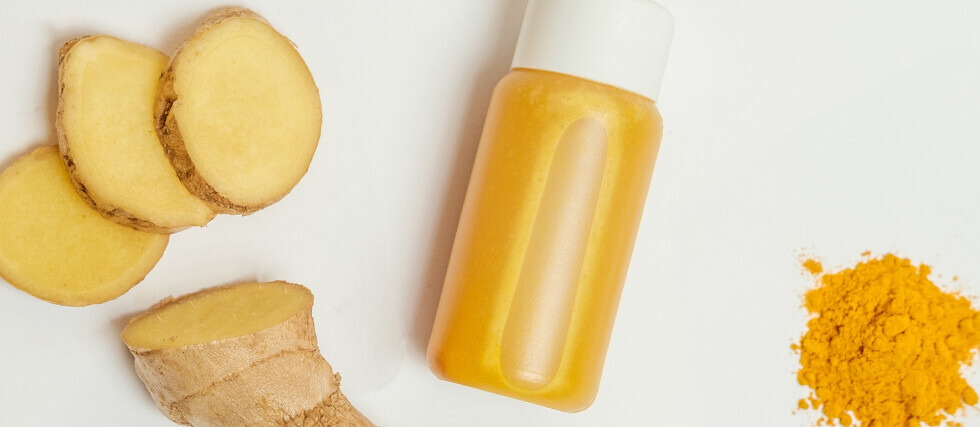
This DIY Herbal Wellness Shot Slashes Inflammation Fast

Ginger and turmeric from the Zingiberaceae plant family have been used in traditional medicine for centuries. These potent roots offer powerful anti-inflammatory, antioxidant, and immune-boosting properties, making them an excellent addition to your daily wellness routine. Here are just a few of the studied benefits of this dynamic herbal duo.

Read more